Pollution and Waste Management

Supporting the SDGs Goals
Stakeholders Directly Impacted


Goals and Performance Highlights



* This was because increased production of extract products led to a higher volume of herbal waste generated during the extraction process.
Commitment, Challenge and Opportunity
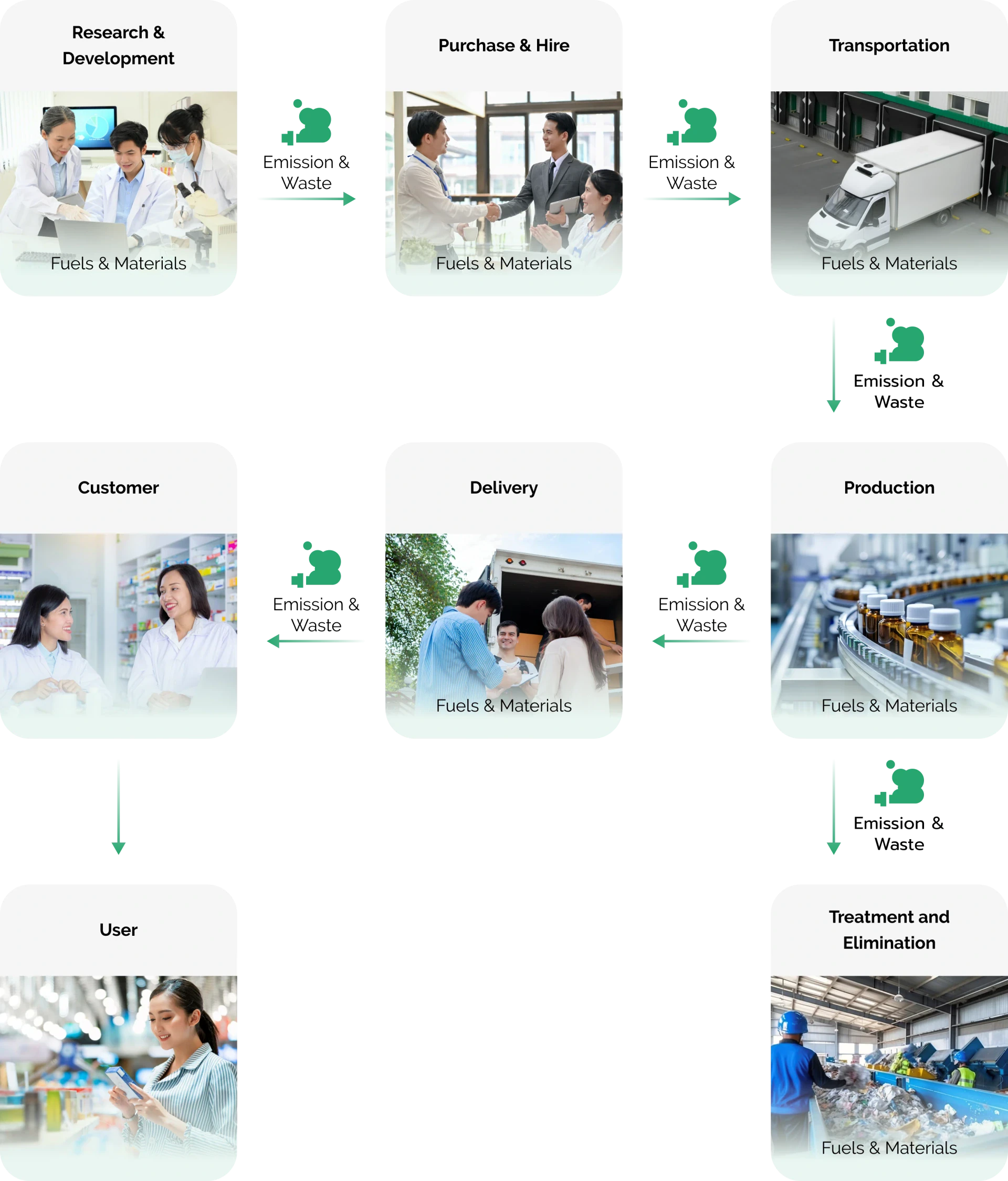
BLC has a policy to reduce waste in the production process, lower costs, reduce expenses, and minimize pollution for maximum efficiency. The identification of causes leading to environmental impacts is part of the Life Cycle Assessment (LCA) process, which is an important method for understanding the impacts of various activities from the beginning to the end of the product’s or process’s life. This helps in making better environmental decisions. The LCA process considers resource use, pollutant emissions, and environmental destruction that occur at each stage of the product or service life cycle.
Management and Operational Approach
In managing pollution and waste, BLC follows the ISO 14001 environmental management standards. The company classifies waste and identifies discarded items for employees to separate waste correctly for disposal according to legal requirements through authorized agencies.
BLC selects contractors that use the most environmentally friendly waste disposal methods, although some waste is still disposed of via landfilling. The company is actively seeking contractors who can use more environmentally friendly disposal methods or improve waste quality for more sustainable disposal methods.
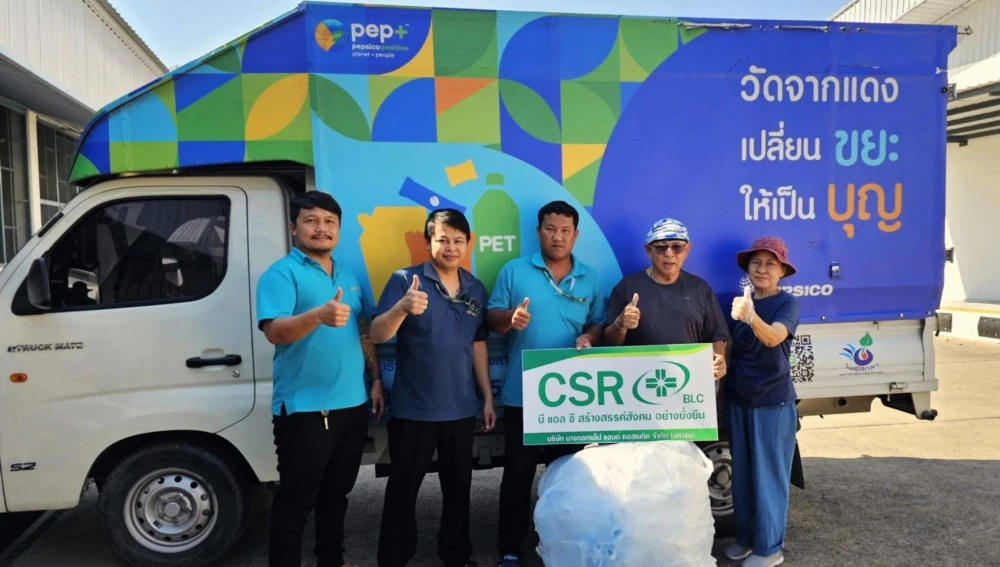
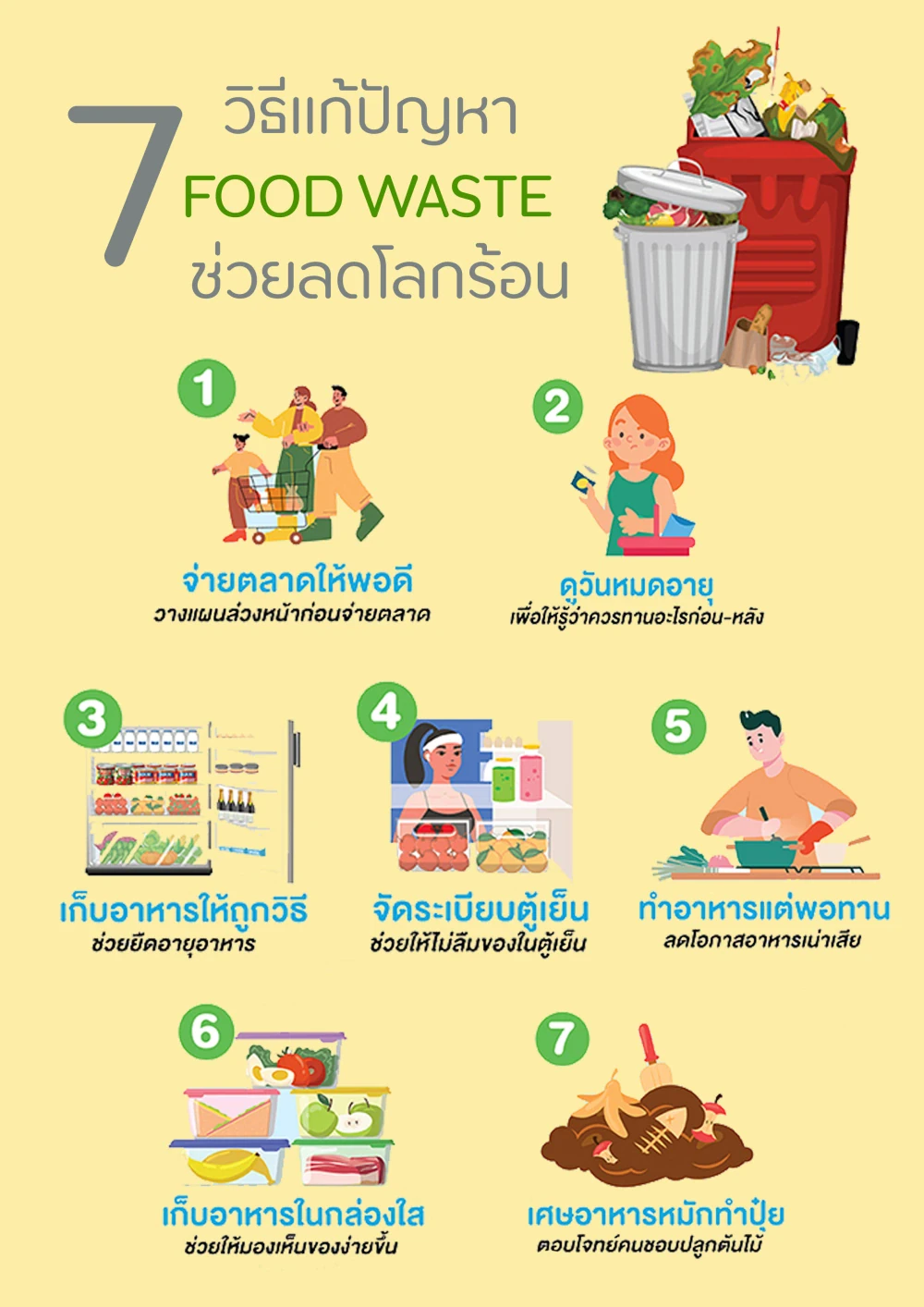
Furthermore, the company communicates and campaigns for employees to be aware of the importance of waste reduction, such as reducing plastic straw usage by switching to reusable or biodegradable straws, using cloth bags or baskets instead of plastic bags, and carrying reusable water bottles or cups instead of disposable plastic bottles. This is part of the ongoing promotion of waste reduction and sustainable environmental preservation.
The Company has implemented a project to reduce general waste (subject to disposal fees) and hazardous waste, aiming for a 5% reduction in both types of waste per unit of product weight in 2026 compared to the 2024 baseline. Operations in 2026 will explore reclassifying hazardous waste that poses no environmental risk as recyclable or valuable materials.

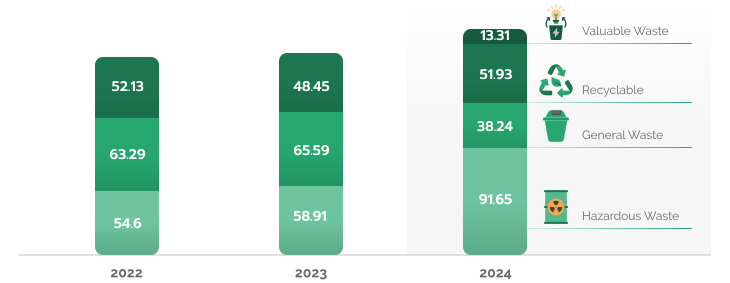
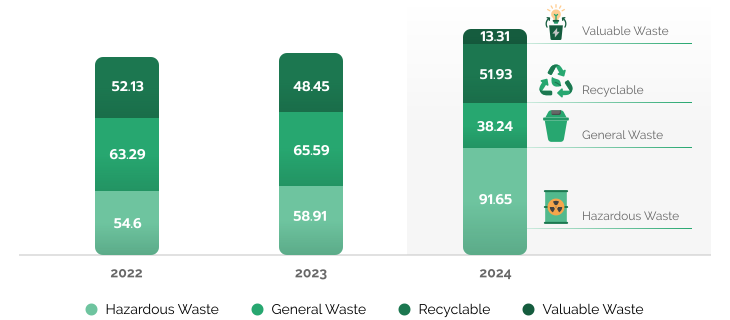
Note : Valuable waste began to be recorded in 2025. (Valuable waste refers to waste that is not harmful to human health or living beings and can be composted.)

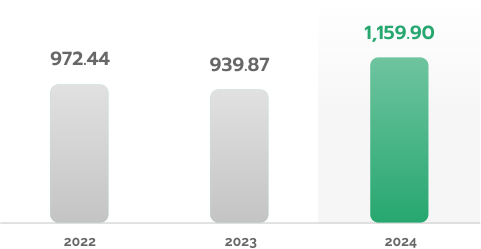
From the base year data of 2024, the ratio of general waste (subject to disposal fees) to hazardous waste, based on product weight, was 0.11 tons per ton. The goal is to reduce this ratio by 5% from the base year, to a target of 0.1045 tons per ton. However, performance from January to December 2025, at a ratio of 0.12 tons per ton, did not meet this target. This was because increased production of extract products led to a higher volume of herbal waste generated during the extraction process.

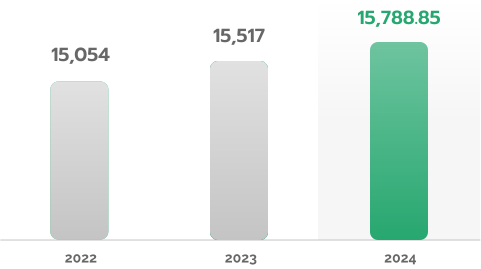
To control emissions from exhaust stacks, the Company conducts annual measurements of air pollutants released to the atmosphere, in accordance with the Ministry of Industry’s regulations on air pollutants from factories B.E. 2549 (2006). This is to monitor and control air quality and reduce environmental impacts from company activities. These measurements help assess the amount of dust emitted and verify compliance with legal standards. In 2025, the measurement was conducted on October 20, 2025, and results showed compliance with legal requirements.