
Resource Management
Supporting the SDGs Goals
Stakeholders Directly Impacted


Goals and Performance Highlights




Commitment, Challenge and Opportunity
The current growth in population has led to increased resource demand, resulting in resource shortages such as energy, clean water, and other essential raw materials. BLC recognizes the importance of efficient resource use based on social and environmental responsibility, and therefore has implemented energy measures to maximize efficiency in resource usage in production processes.
Management and Operational Approach
For energy management, the company follows the international energy management standard (ISO 50001) and legal requirements.
BLC has established an energy conservation policy and formed an energy management committee from all departments, including legally appointed energy personnel, to drive efficient energy use. The company has set a target to increase the proportion of renewable energy use to no less than 50% by 2029.
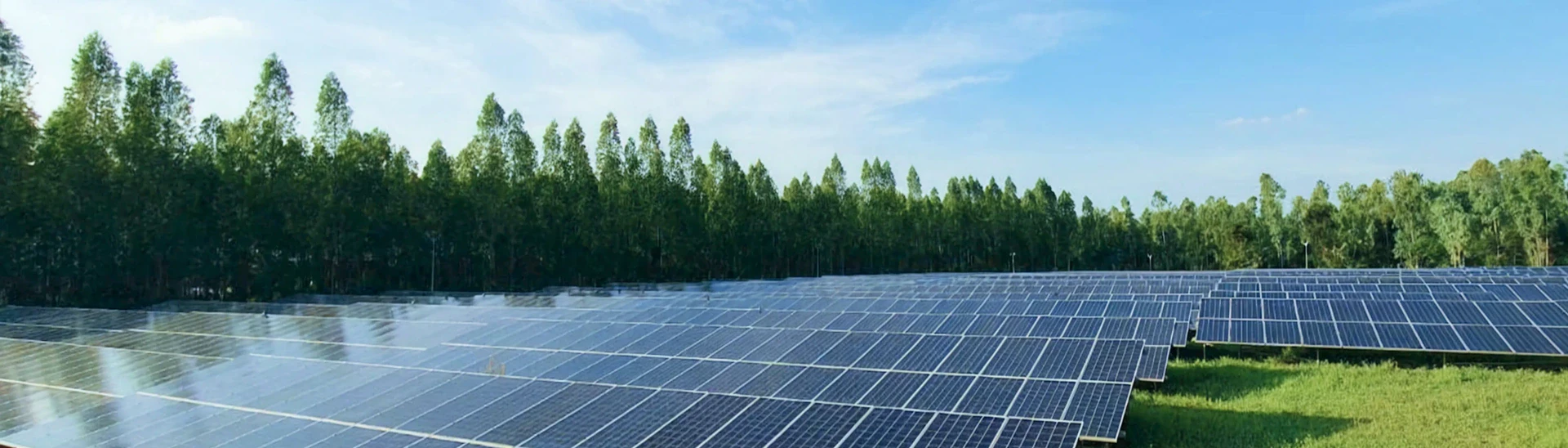
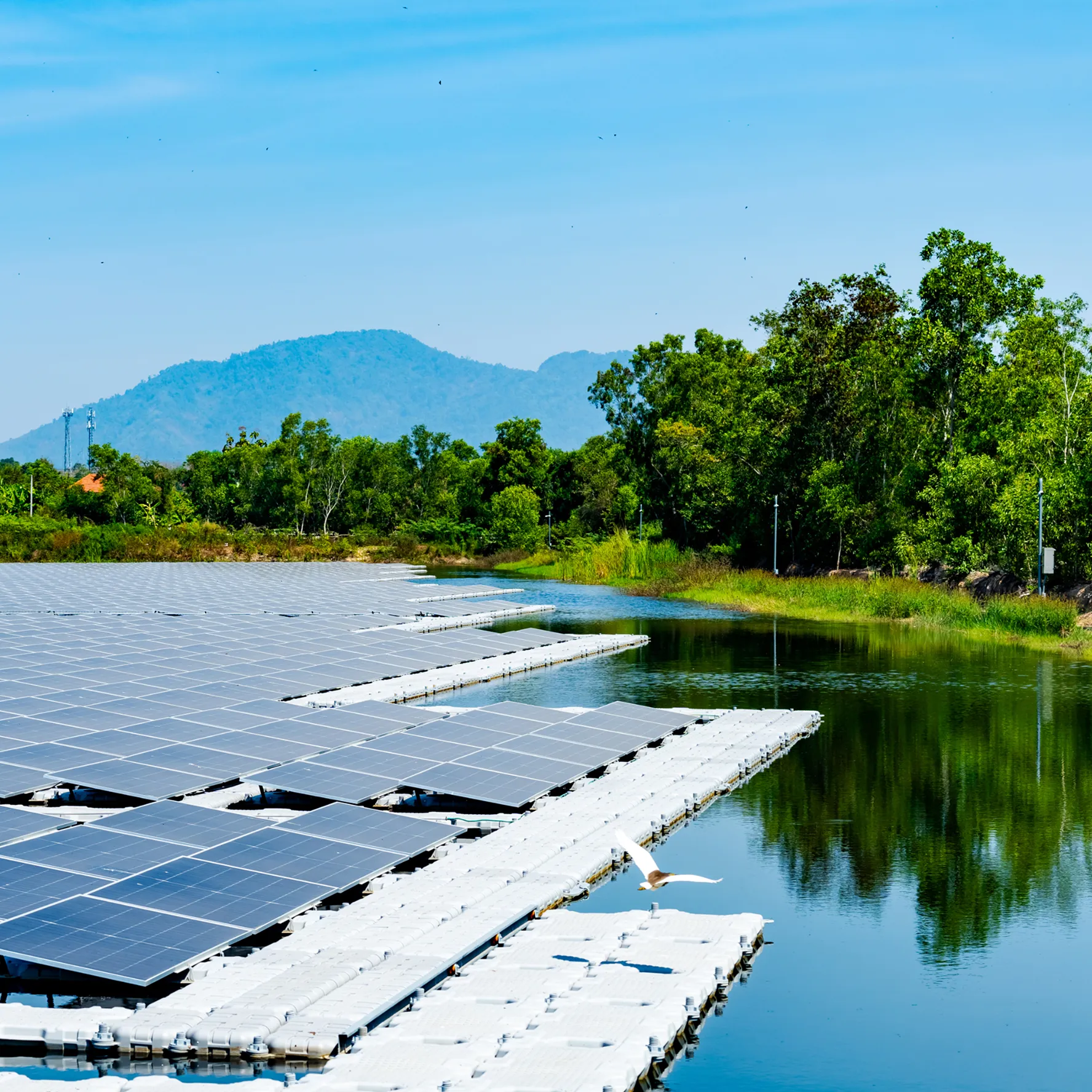
Since 2019, the Company has operated a 1.4-megawatt solar farm to cover at least 25% of its internal electricity needs, reducing its reliance on power from the Provincial Electricity Authority. In 2025, renewable energy accounted for 25.41% of its total energy consumption.
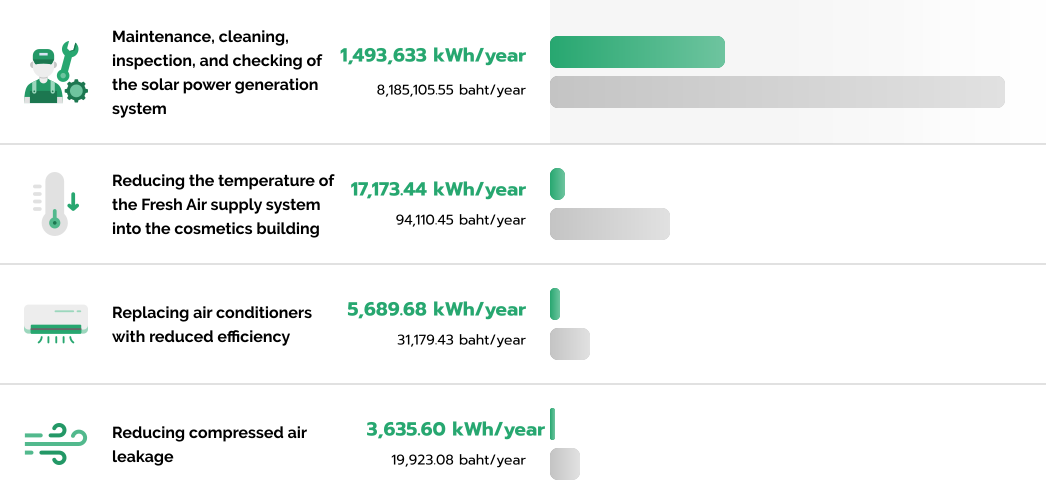
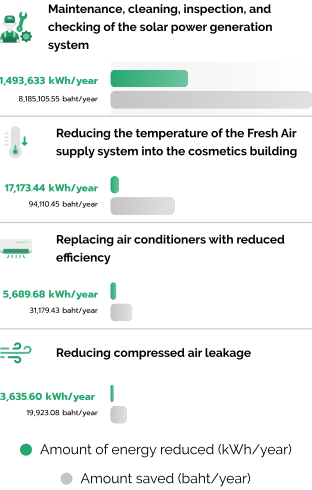
- Plan: Reduce the temperature of fresh air supplied to the HVAC system in the Veterinary Drug Building, and the fresh air refilling system for the Cosmetic Building. Reason for improvement: Currently, the temperature of fresh air supplied to the animal housing system is located in the attic, where it is heated by sunlight passing through the metal roof. This hot air is drawn directly into the system, causing the cooling and ventilation system to run constantly when in operation. Target: Improve the energy performance of the veterinary pharmaceutical building’s cooling system by 10%. Performance: The energy performance of the cooling system in the veterinary pharmaceutical building improved by 36%. The Energy Efficiency Ratio (EER) increased by 12.94%, resulting in a reduction in energy consumption of 18,728.96 kWh per year, or 93,082.93 baht per year in cost savings.
- Plan: Replacing low-efficiency air conditioners Reason for improvement: The Company utilizes air conditioning systems across multiple areas to maintain required temperatures and ensure appropriate working conditions. Currently, five units have been in operation for more than 10 years. These older units have reduced efficiency and use R-22 refrigerant, which has a high Ozone Depletion Potential (ODP) and contributes to greenhouse gas emissions. If released in large quantities, it may pose risks to the respiratory system. Target: Improve the energy performance of the air conditioning system by 21%. Performance: All five air conditioning units achieved a 43% improvement in energy performance. The Energy Efficiency Ratio (EER) increased by 3.99%, reducing energy consumption by 11,385.42 kWh/year, or 56,585.54 baht per year in cost savings.
The Energy Usage

Water Resource Management
Future Plans
- Energy Usage In 2026, there are plans to increase the use of renewable energy through the installation of solar panels on the roof of a new production building (Solar Roof), which will proceed alongside the construction of the new production building. This will begin in Q4 2026 with a budget of 20 million baht, capable of generating approximately 990 kilowatts (kW). It is expected to reduce electricity costs by approximately 500,000 baht per month, with a payback period of 3.33 years. This will also help enhance the capacity of the solar power plant to generate more electricity. This initiative will contribute to reducing the Company’s greenhouse gas emissions.
- Water Resource Utilization In 2026, a project will be undertaken to efficiently utilize water resources, reducing environmental and ecological impacts and maximizing benefits. This will involve reusing water separated from the clean water stream in the RO (Reverse Osmosis) system; specifically, RO reject water will be redirected for beneficial use. The aim is to reuse at least 20% of the total groundwater used.
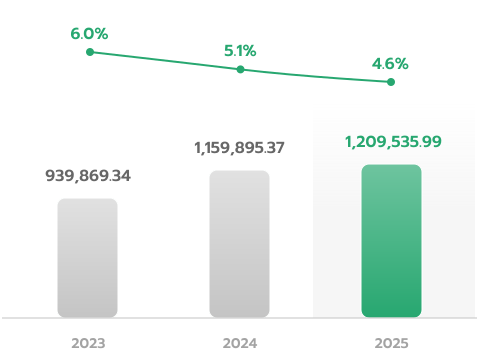
In addition to electricity, BLC also recognizes the importance of water resource utilization. In 2025, the company initiated a project for the efficient use of water resources by studying and collecting data on water production processes, wastewater treatment processes, and other water-related activities to reduce environmental and ecological issues, and to maximize the benefits of water resources. Once the results are known, methods will be devised to reduce water usage by analyzing the quality of water separated from the clean water in the RO (Reverse Osmosis) system to ensure it meets standards for reuse. Reclaimed water will be used for purposes such as watering plants, lawns, cleaning floors, or other uses. The water is used in various activities, for example, watering plants.
Data comparing water usage to production weight shows an increase in the water usage rate. However, when compared to the number of employees, the average water usage rate has decreased. The company therefore emphasizes the most efficient use of water resources.
